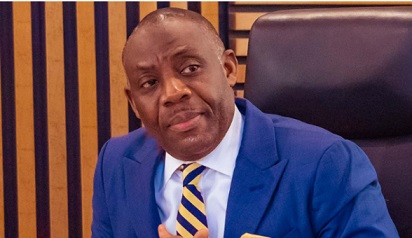
Minister of Education, Tunji Alausa, gave the directive on Thursday in Abuja during the inauguration of the National Committee for the Advancement of Occupational Therapy, Audiology and Speech Therapy Education (NCAOTASTE).
He said the move was a strategic response to the growing demand for specialised healthcare and rehabilitation services, noting that Nigeria currently faces a significant gap in both the availability and quality of training in the disciplines.
The minister said, “We are at a defining moment in our nation’s development, one where the demand for specialized healthcare and rehabilitation services is rising rapidly.
“Across our hospitals, schools and communities, there is an increasing need for professionals trained in Occupational Therapy, Audiology and Speech Therapy.”
The minister explained that many universities do not offer structured programmes in the fields, while existing ones fall short of global best practices, a situation he said has implications for service delivery and workforce development.
He said only Ondo State Medical University and Obafemi Awolowo University presently run programmes in the areas.
The minister, however, noted that about 20 universities have indicated interest in introducing the courses, with eight already at advanced stages of preparation.
Alausa therefore urged the National Universities Commission (NUC) to fast-track accreditation for the institutions, with a view to completing the process before the end of the year.
“The inauguration of this committee is a deliberate and strategic response to this challenge,” he said, adding that the initiative aligns with the Renewed Hope Agenda of President Bola Ahmed Tinubu.
He disclosed that the committee has been mandated to work with universities to establish Bachelor’s degree programmes, develop curricula and guide accreditation processes, while also collaborating with the Medical Rehabilitation Therapists Board of Nigeria to ensure compliance with national and international standards.
Other responsibilities include providing technical guidance on clinical training, reviewing minimum academic and infrastructural requirements, and engaging stakeholders to ensure sustainability and funding of the programmes.
The minister also announced an annual budget of N500 million to support the committee’s activities and encouraged prospective students to explore the emerging fields, which he described as viable and rewarding career paths.
He added that the initiative would create pathways for diploma holders to transition into degree programmes, while discouraging substandard training that could undermine professional standards.
Responding, Chairman of the committee, Dr. Victoria Amu, said the effort to institutionalise the programmes had been ongoing for over two decades, noting that the initiative would significantly improve early detection and intervention for autism and related conditions.
Dr. Amu, who is the Director, Occupational Therapist, Edo Specialist Hospital, said, “This initiative will significantly enhance early detection and intervention for autism and related conditions.”
She added that it would also reduce medical tourism and improve access to specialised care within Nigeria.
Amu further stated that expanding local training capacity would strengthen the healthcare system, create jobs, and improve the quality of life for Nigerians requiring rehabilitative and therapeutic services.